


Why quiet walking matters
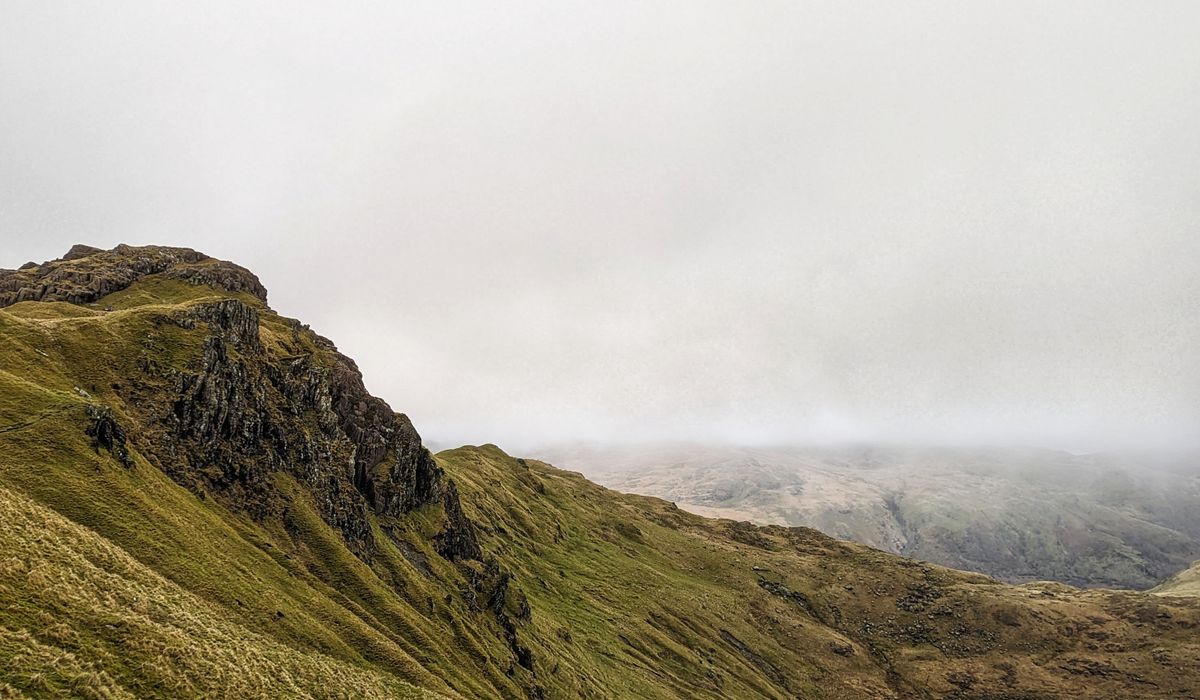
The uplands of Britain are quieter than they look. A path across a Lakeland fell or a Cairngorms glen may seem empty, but it is busy with curlew, ring ouzel, mountain hares, adders and fragile plants that take a long time to recover from a single careless boot. Walking quietly is not about tiptoeing around in misery. It means moving through a landscape without leaving an obvious mark on it, so that the next person finds the same place you did, and so that the creatures living there are not pushed out by our presence.
Most damage to upland paths is caused by walkers who mean no harm at all: the shortcut across an eroded verge, the stone lifted from a drystone wall for a photograph, the orange peel left on a cairn. Small decisions, multiplied by thousands of pairs of boots, add up. The good news is that the fix is simple, and it usually makes for a better day out anyway. You see more wildlife when you are not crashing about, and you notice more of the landscape when you slow down.
Before you set off
A quiet walk begins at home. A little preparation means fewer decisions made badly on the hill, when you are tired or the cloud has dropped.
- Check the weather, the daylight hours and the ground conditions. Saturated peat bogs and steep wet grass are where erosion starts.
- Carry a paper map and compass, even with a phone. Batteries die, and signal vanishes in most upland valleys.
- Wear boots or shoes with a decent tread. Slipping off a wet path is how new paths get made.
- Take a bag for rubbish, including anything you find that is not yours. A spare carrier bag weighs nothing.
- If you are taking a dog, plan the route around leads and livestock, not the other way round.
Where to put your boots
Stay on the path where one exists. This is the single most useful thing you can do for the uplands. Paths are designed, drained and repaired by people who know where the ground can take traffic; the braided scars you see on popular hills are what happens when walkers fan out to avoid a muddy patch. Walk straight through the mud if it is safe, or step around the edge, but do not widen the path by walking on the vegetation beside it.
Where there is no path — on open access land, for example — spread out rather than walking in single file, and avoid obvious fragile ground: blanket bog, mossy flushes, loose scree, and the thin turf of high ridges. Do not move stones from walls or cairns, and do not build new ones. If you must cross a bog, step on tussocks and heather rather than the soft, dark, waterlogged hollows.
Wildlife, livestock and dogs
Upland birds nest on the ground between roughly March and July, which is exactly when most of us are out walking. Eggs and chicks are almost invisible and a single footstep can end a season's breeding. Keep to the path, keep noise down, and if a bird starts calling or diving at you, you are too close — back away the way you came.
Sheep, cattle and hill ponies are working animals. Give them room, never feed them, and walk around rather than through a flock. Cattle with calves can be genuinely dangerous; if a group blocks the path, keep calm, give them space and find a wide way past. Under the Countryside Code, dogs should be on a short lead on open access land between 1 March and 31 July, and always near livestock or where signs ask for it. Pick up after your dog and carry the bag away with you. Leaving it hanging in a tree is littering, whatever the intention.
Gates, stiles and access
Leave every gate as you find it. If it was closed, close it; if it was open, leave it open. Never climb over a wall or fence when a stile, gate or gap exists nearby, and do not force a gate that is tied shut. Use the latch properly rather than shoving it, and if you are in a group, send one person through and let them close it behind the last walker.
Do not block access. Do not park across gateways, passing places, entrances or field gates. Do not stop for lunch in the middle of a narrow path or a stile. In Scotland, the same principles sit behind the Scottish Outdoor Access Code: access rights come with responsibilities, and taking them seriously keeps them available to everyone.
Litter, fires and the small things
Take all litter home. That includes banana skins, apple cores, orange peel and tea bags, which take months or years to break down in cold upland conditions and attract scavengers. Cigarette ends are litter too, and a fire risk in dry weather. Fires are best avoided altogether in the uplands; if you use a stove, do it on rock or bare ground and never on peat.
Finally, think about how you are heard as well as seen. Loud music, shouted conversations and drones ruin the experience for everyone within earshot, and drones disturb wildlife badly. Keep voices low near nesting areas and pass other walkers with a nod and a greeting. Leave no trace, and the hills will feel just as they did when you arrived.


Leave a reply