


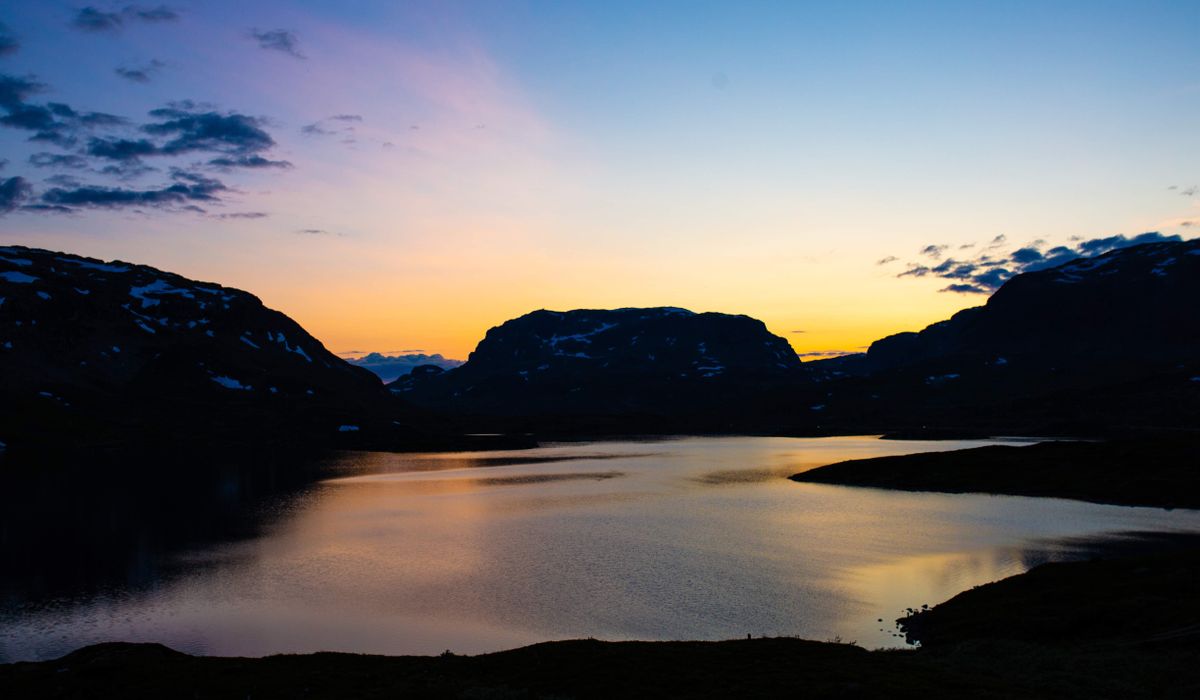
Why upland lake reflections are worth the walk
There are few sights in the British uplands as quietly thrilling as a still lake mirroring the fells above it. Whether you are in the Lake District, Snowdonia, the Cairngorms or the Cheviots, the combination of water and mountain can produce an image of extraordinary depth. But a reflection alone does not guarantee a strong photograph. The difference between a snapshot and a compelling composition often comes down to a few simple decisions. Place the horizon with care, look for rocks, reeds or jetty lines to lead the eye, avoid clutter, and keep the reflection as the main subject. These principles will serve you well on any upland walk where the water is calm and the light is soft.
Place the horizon with care
The horizon line is the most important element in any reflection shot. A tilted or poorly placed horizon will undermine the whole image. In most landscape photography, the rule of thirds suggests putting the horizon on the upper or lower third. With reflections, you have an extra consideration: the water acts as a second sky, so you are effectively composing two landscapes. Ask yourself what matters most. Is the reflection the star, or is the sky above it equally dramatic? Use a tripod with a spirit level, or switch on your camera’s electronic level, to keep the horizon straight. Then choose your placement deliberately.
- For a reflection that dominates: place the horizon in the upper third of the frame. This gives two-thirds of the image to the water, making the mirrored peaks or clouds the clear subject.
- For a dramatic sky: place the horizon in the lower third. The sky and its reflection then share the frame, but the real interest is above.
- For perfect symmetry: try a central horizon, but only when the sky and its reflection are equally balanced and interesting. A central horizon can feel static, so use it with purpose.
Once you have chosen, resist the urge to fiddle. A small shift up or down can change the mood entirely, so take a few frames and compare them later.
Find a leading line in the landscape
Reflections can look flat without something to guide the eye into the scene. This is where foreground details earn their keep. A rocky shoreline, a band of reeds, or an old jetty can act as a leading line, drawing the viewer from the bottom of the frame towards the reflection and the distant fells. Look for natural lines that point towards the main subject. On a Scottish loch, a wooden jetty might stretch out into the water. In the Lake District, a line of stones on a tarn’s edge can curve towards the peaks. In Snowdonia, reeds often fringe the shallows, creating a soft, angled line.
- Rocks: a cluster of boulders in the foreground can anchor the composition and provide a stepping stone for the eye.
- Reeds: grasses and rushes at the water’s edge add texture and can form a natural diagonal.
- Jetty lines: a slipway or jetty gives a strong, straight line that leads directly into the reflection.
Position yourself so the leading line enters from a corner of the frame and travels towards the centre or the far shore. Keep the line sharp and free from distracting elements. If the line is broken or cluttered, move a few steps left or right until it reads clearly.
Keep the reflection as the main subject
It is easy to get greedy and try to include everything. But a reflection works best when it is allowed to be the hero. Clutter is the enemy. Brightly coloured buoys, litter, overhanging branches that break the water’s surface, or even other walkers can pull attention away from the mirrored landscape. Before you press the shutter, scan the edges of your frame. Is there anything that does not belong? If so, move your feet, change your angle, or zoom in to exclude it.
- Avoid bright distractions: a single red buoy or a white plastic bag will dominate a subtle reflection.
- Watch the water’s edge: overhanging vegetation can create dark, messy shapes that interrupt the mirror.
- Simplify the foreground: one or two carefully chosen elements are better than a jumble of rocks and weeds.
- Use a longer focal length: a short telephoto can compress the scene and cut out peripheral clutter.
Remember that the reflection is not just a copy of the landscape; it is a second composition. Treat it with the same care you would give the sky or the mountains.
Change your viewpoint
Where you stand makes a huge difference. A low viewpoint, with your camera close to the water’s surface, exaggerates the reflection and makes foreground rocks loom large. This can create a powerful sense of immersion. A high viewpoint, from a crag or a rocky outcrop, gives a broader view of the lake and its surroundings, but the reflection becomes smaller and less dominant. Both approaches have their place. On a calm morning, try kneeling at the edge of a tarn or loch. Use a tripod that can splay its legs low, or simply rest your camera on a rock. If you are on a walk and see a promising reflection from above, consider scrambling down to the shore for a different perspective. Always take care near water, especially on slippery stones.
Putting it into practice
Next time you are out in the uplands, and the wind drops, look for a lake or tarn that is mirror-calm. Before you unpack your camera, spend a minute just looking. Where is the horizon? What lines lead the eye? What can you leave out? Then set up, level your tripod, and compose with intent. Try placing the horizon in different thirds, find a rock or jetty to anchor the foreground, and keep the reflection as the star. These simple habits will improve your upland lake photographs more than any new piece of kit. The best compositions are often the result of patience and a willingness to move your feet. So pack your flask, set your alarm early, and enjoy the quiet magic of a British hill loch or tarn at dawn.


Leave a reply